With summer approaching, many dog owners excitedly buy their dog’s first lightweight sun shirt or cooling vest. But instead of cute photos, they often end up chasing a panicked dog around the house — so why is putting on clothes this hard?
This is also the first article in our Summer Sun Protection series — before we get into picking out sun shirts and cooling vests, we wanted to tackle the hurdle every owner runs into first: getting your dog to actually accept wearing clothes at all. Based on common experiences shared by dog owners, along with guidance from trainers and veterinarians, here’s a breakdown of the challenges both sides face — and some practical ways to make it easier.
Part 1: The Core Challenges Owners Face
1. It’s genuinely hard to physically dress the dog, and the dog won’t cooperate
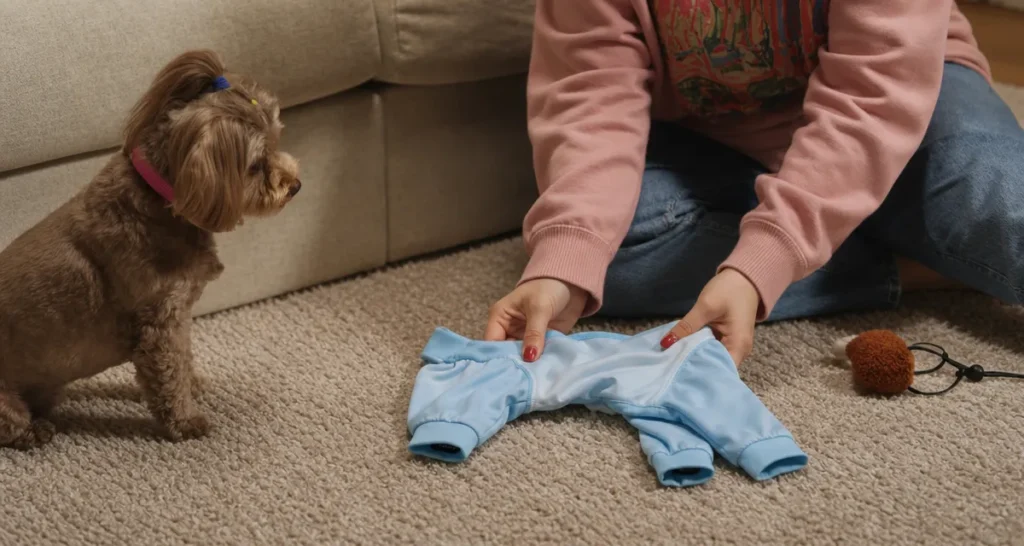
The moment the dog sees the outfit, it hides behind the couch or runs circles around the room — impossible to catch. Pullover-style clothes are the hardest: the dog whips its head around and backs away, and it’s easy to accidentally tug an ear. When it comes to the legs, the paws curl up and push back, and pulling too hard risks hurting the dog. It’s not unusual for a single dressing session to eat up ten minutes of total chaos.
2. Getting the size and fit wrong
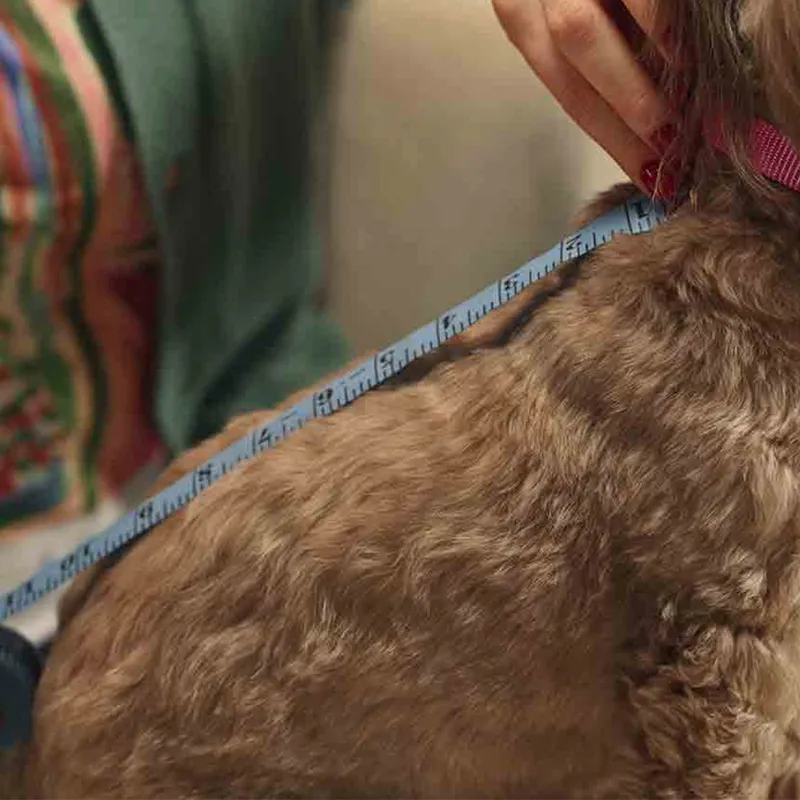
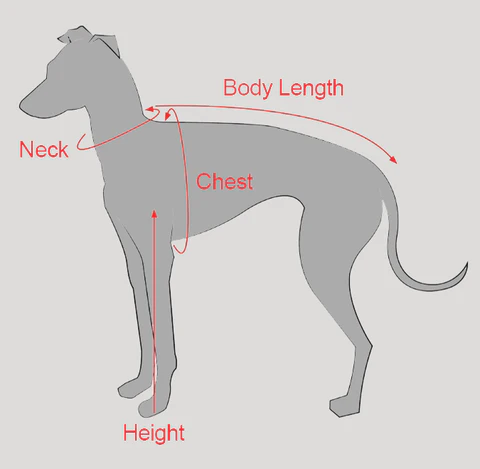
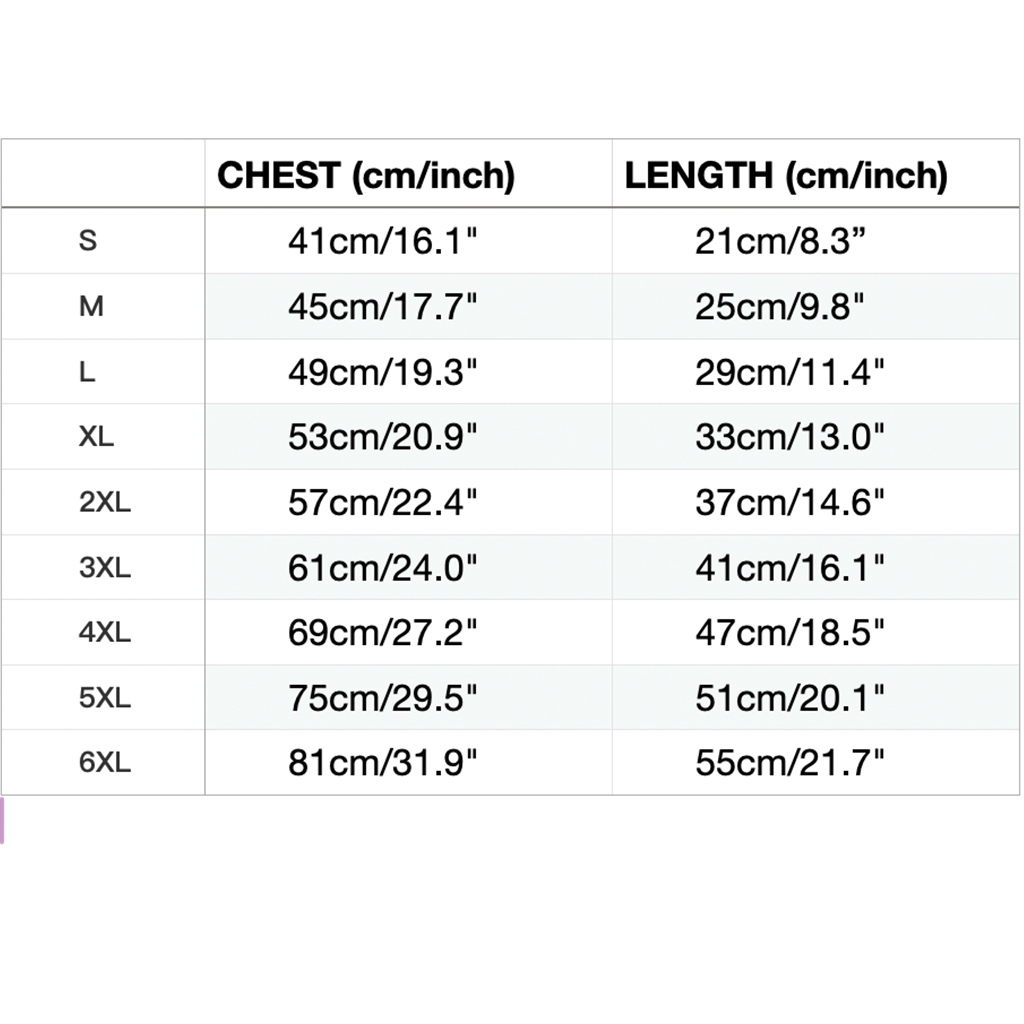
Buying based on weight alone often backfires — the chest strap ends up too tight under the armpits, or the back length is off and the outfit slides around. First-timers frequently pick the wrong style (full-body onesies are the hardest to manage), and constant readjusting afterward only makes the dog more agitated.
For help getting summer sizing right, check out: Dog Onesie Size Guide: How to Measure Your Dog Correctly (Step-by-Step)
3. Soothing and guiding the dog is hard to pull off in practice
Treats often just distract the dog into grabbing food and then bolting the moment it’s set down. When the dog freezes up or starts trembling, owners can get anxious and scold it — which only deepens the fear. Timing is tricky too: too long and the dog gets overstressed, too short and it never gets used to it.
4. Supervision afterward comes with real risks
Dogs often chew frantically at their clothes, raising fears about swallowing fabric or accessories. They may also slip while walking and trip more easily, making owners hesitant to look away even outdoors. Many owners struggle to tell whether the dog is simply unfamiliar with the feeling, or genuinely uncomfortable in the outfit.
5. The emotional letdown
Owners often picture an adorable photo-op moment, only to end up with a dog that resists the whole time, looking tense and unhappy — nowhere near the cute interaction they hoped for. This often brings on real guilt and frustration, with owners wondering if they’re “forcing” something on their dog.
One thing worth remembering: your dog has no idea what clothing is for. Just as dogs instinctively resist being given medicine or getting a shot when they’re sick, clothing is simply a sudden, unfamiliar object appearing on their body — a natural fear and confusion, not defiance. Keeping this in mind can help owners approach the process with more patience and warmth, instead of frustration or force.
Part 2: The Dog’s Own Physical and Psychological Challenges
Psychologically: instinctive fear and confusion
Suddenly being wrapped in fabric can trigger a “trapped” sense of danger, causing instinctive tension and fear. The dog has no way of understanding what the clothing is for — it just registers a foreign object on its body, and its brain needs time to process the unfamiliar sensation. Pullover styles that block the dog’s line of sight can be especially unsettling for more timid dogs, leading to trembling, a tucked tail, or hiding.
Physically: real difficulty moving
The pressure and friction of the fabric disrupts a dog’s sense of its own body position, and many dogs seem to “forget how to walk” once dressed — shuffling, moving stiffly, turning in circles, or refusing to step forward at all. Movement is also genuinely restricted: a snug chest can make breathing feel labored, and leg coverings limit how the back legs move, making it hard to even sit or relieve themselves. On top of that, the skin stays irritated the whole time — synthetic fabric rubbing against the armpits and inner thighs can cause itching, and poorly ventilated material heats up fast, which is especially rough on flat-faced and thick-coated breeds.
Common signs of stress
- Behavioral: freezing in place, thrashing wildly, repeatedly chewing at the clothing, spinning in circles, trying to rub it off
- Emotional: tucked tail, ears pinned back, frequent yawning, trembling, low growling
- Physical: rapid breathing, mild drooling
Part 3: Practical Ways to Make It Easier for Both Sides
For owners:
Choose lightweight, vest-style clothing without a pullover design whenever possible, and measure the chest and back length accurately beforehand.
Curious about the difference between full-body summer suits and vests? Read: Full-Body Sun Suits vs. Dog Vests: The Ultimate Summer Gear Guide for Every Breed and Adventure
Take it slow with a 3–5 day gradual introduction instead of rushing:
- Let the dog sniff the clothing → reward
- Gently drape it over the back for a few seconds → reward
- Slip one leg/arm through, or half-dress the dog → reward
- Fully dress the dog for a short stretch (30 seconds to 3 minutes) → take it off right away and give a big reward
Keep the first few sessions short, and always end on a positive note before your dog becomes overwhelmed. Throughout the process, use high-value treats and lots of praise — never force it or scold the dog.
The key principle: make dressing a positive experience, not a forced task. Most dogs need patient, gradual guidance before they come around to it.
It’s completely normal for both owners and dogs to struggle the first time clothes come into the picture. Treat dressing your dog as a chance to build trust and connection, not a way to chase a cute look. Respect how your dog feels — some will adjust quickly, others may never love it, and that’s okay too.
And remember — not every dog needs clothing at all. If your dog is comfortable without it and doesn’t need extra protection from the sun or weather, that’s perfectly fine too. It’s advice we come back to often here at WoofShield: the goal is always your dog’s comfort first, cute outfits second.