Dog Hiking Clothes: Protecting Against Ticks, Foxtails, UV & Trail Hazards
Most dog owners have heard some version of this advice: walk your dog on grass instead of pavement, and you’ll spare their belly from reflected heat and direct sun. It’s not wrong — but it’s only half the story. The more time we spent looking into what actually happens once a dog leaves the sidewalk for a real trail, the clearer it became: grass and brush solve one problem while quietly creating several others.
This is the trade-off every trail dog faces, and it’s worth understanding before your next hike.
The Grass vs. Pavement Trade-Off
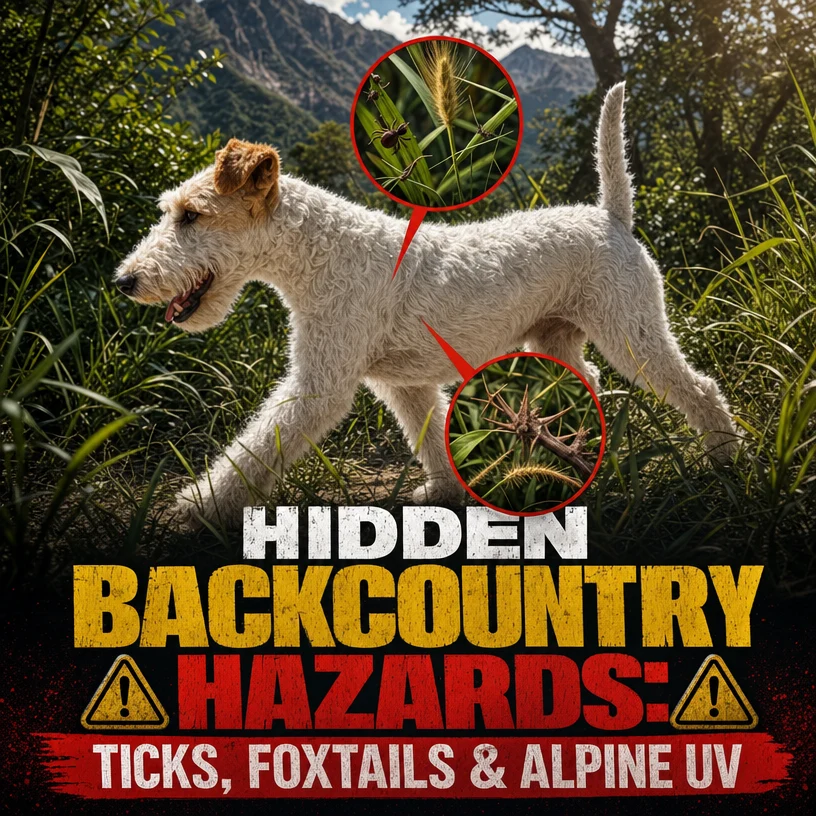
Pavement reflects heat and UV back up at a dog’s underside, which is exactly why “stick to the grass” became common advice. But wild grass isn’t a groomed lawn. On a real trail, that same grass is also where ticks wait, where foxtail seeds hide, and where thorny brush scrapes against a dog’s low-slung torso with every stride. Trading pavement heat for brush exposure isn’t really an upgrade — it’s a different set of risks, and most owners don’t find out until they’re back at the car doing a full-body check.
Ticks: The Risk You Can’t See Coming
Dogs pick up ticks primarily by walking through grass, woods, and shrubs — exactly the terrain a full-day hike covers. The CDC notes that dogs are especially prone to tick bites and tickborne disease, and that symptoms often don’t show up until one to three weeks after a bite, which is why the bite itself is so easy to miss in the moment. Ticks tend to target the same spots on a dog again and again: the collar area, ears, underarms, and belly — all soft, thin-skinned zones that are hard to inspect through fur.
This is exactly why many trail owners now prefer full-body protection over a cooling vest alone — covering the belly and legs helps reduce most of the easy targets before a tick ever gets the chance.
Foxtails: The One-Way Hazard
Foxtail seeds are one of the more easily overlooked hazards on western trails. According to UC Davis School of Veterinary Medicine, foxtails don’t just sit on the surface of the skin — once embedded, they can migrate into deeper tissue, since a dog’s body has no way to break the material down or push it back out. That’s what makes them different from a thorn or scratch: it’s worth having a vet take a look if one goes unnoticed for very long. Many owners don’t spot a foxtail until they’re brushing their dog after the drive home — a quick check before you leave the trailhead goes a long way.
Veterinary guidance on grass awn injuries is consistent on one point: physical barriers are one of the most effective ways to prevent foxtails from reaching skin in the first place, particularly for dogs that spend real time in the field. That’s a big part of why dog hiking clothes built to fully cover the legs and underbelly exist in the first place — not as an accessory, but as a first line of defense.
Thorns, Brush, and Everyday Trail Wear
Beyond ticks and foxtails, repeated contact with rough undergrowth adds up over a full-day hike. Thorns and stiff brush leave behind small scrapes and contact irritation, especially on dogs with thin or sparse belly coats. None of these individually is dramatic — but stacked across hours on the trail, they’re a big part of why some dogs come home from hikes itchier and more irritated than the hike itself would explain.
What About the Sun?
Grass cover does cut down on reflected UV compared to pavement, but it doesn’t eliminate sun exposure — especially once a trail climbs above the treeline, where shade and UV intensity change quickly with elevation. That’s a big enough topic on its own that we’ve covered it separately: if you’re hiking somewhere with real elevation gain, High-Altitude Hiking Sun Protection for Dogs: Why Your Rocky Mountain Trail Needs a Bigger Plan Than Sea Level breaks down how UV exposure actually shifts between sea level and higher trails.
For the purposes of this piece, the short version is: don’t assume grass alone solves your dog’s sun exposure. It helps, but it’s not a substitute for UV-blocking coverage on longer or higher-elevation hikes.
Putting It Together: Why Coverage Beats Half-Measures
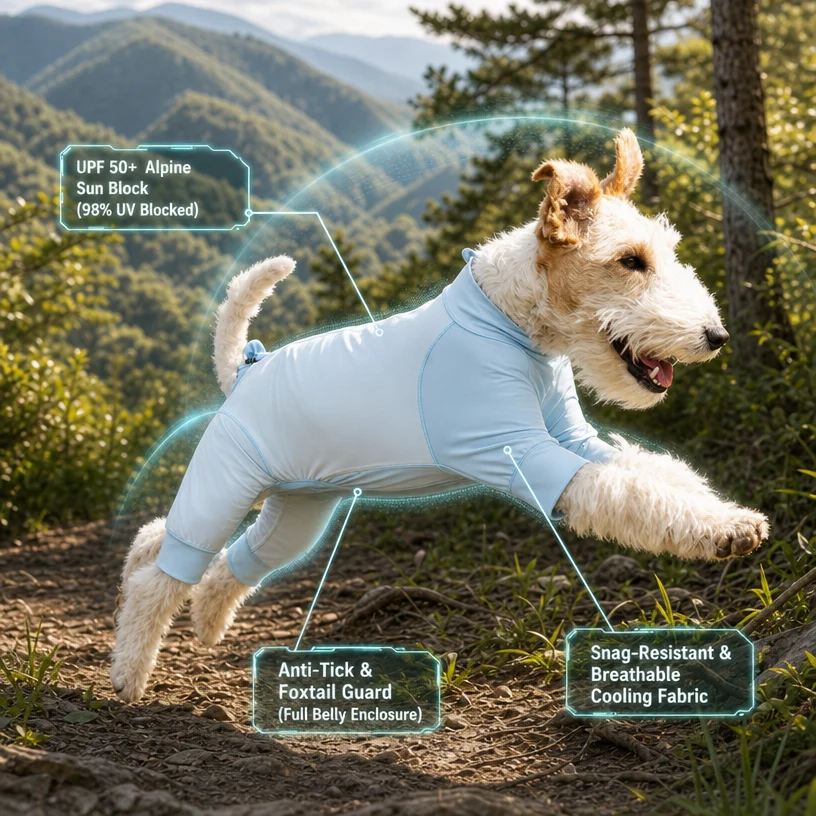
None of these hazards — ticks, foxtails, brush, sun — is solved by any single product on its own. But they share one thing in common: they all target the same exposed areas of a dog’s body. That overlap is exactly why a full-body dog sun suit works differently than a bandana, a cooling vest, or sunscreen alone. Covering the belly, chest, and legs with UPF-rated, snag-resistant fabric addresses several of these risks with one layer, rather than stacking multiple products for one hike.
If you’re weighing a full-body suit against a lighter vest for your next trip, Full-Body Sun Suits vs. Dog Vests: The Ultimate Summer Gear Guide for Every Breed and Adventure compares coverage levels so you can match the gear to the actual hike. And if your dog’s more of a backyard explorer than a trail dog, it’s worth comparing notes with The Hidden Grass Hazards in Your Backyard (and How to Protect Your Dog) — the risk profile is lower, but not zero.
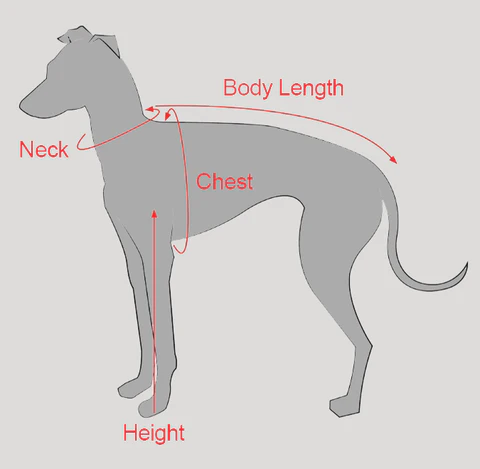
A quick fit note: trail wear needs to move with your dog through brush, not just sit loosely on a resting dog, so getting the size right matters more here than for everyday wear. If it’s been a while since you measured, the Dog Onesie Size Guide walks through it step by step.
And if a hike doesn’t go perfectly — a scrape that got past the fabric or a patch of sun exposure you missed — Is Your Dog Sunburned? 5 Steps for Immediate Relief (And Crucial Mistakes to Avoid) and Beyond the Fur: 4 Hidden Spots Where Your Dog Can Get Sunburned This Summer cover what to check and how to respond.
FAQ
Can dogs get sunburned while hiking? Yes, even on trails with grass or partial tree cover. Grass reduces reflected UV compared to pavement, but thin-coated areas like the belly, groin, and ear tips can still burn on longer hikes, especially once shade thins out at higher elevation.
Do dog hiking clothes prevent ticks? Coverage over the belly, legs, and underarms — where ticks most often attach — helps reduce the exposed skin they’d otherwise reach. It’s not a substitute for a vet-recommended tick preventive, but it meaningfully cuts down contact.
Should dogs wear clothes on mountain trails? For dogs spending extended time in brush or at elevation, UV-blocking, full-body dog hiking gear addresses both sun exposure and physical hazards like foxtails and thorns in a way that spot treatments can’t.
How often should I check for ticks after hiking? Every time — ideally as soon as you’re back at the car or home, since ticks are easiest to find and remove before they’ve had time to attach fully. The CDC recommends checking pets for ticks daily during outdoor season, paying close attention to the collar, ears, underarms, and between the toes.
Editor’s note: No single piece of dog UV protection clothing eliminates every trail risk — dense brush and high-altitude sun each call for their own precautions, and a sun suit is one layer in that plan, not a replacement for tick checks or trail awareness. But covering the belly, chest, and legs helps reduce a large share of the exposure that’s hardest to manage any other way.